media and info literacy

Official launch and unveiling of the International Media and Information Literacy Institute (IMILI) — Photo by I'm Zion on Pe

media and info literacy

How Schools Cut Misinformation Sharing by 45% With IMILI's Certified Media Literacy and Information Literacy Trainer Program

Schools that adopt IMILI’s Certified Media Literacy and Information Literacy Trainer Program see a 45% drop in student-shared misinformation online. This impact comes from a structured curriculum that blends digital tools, real-time simulations, and UNESCO-aligned standards, helping teachers turn classrooms into fact-checking hubs. Media Literacy and Information Literacy Framework

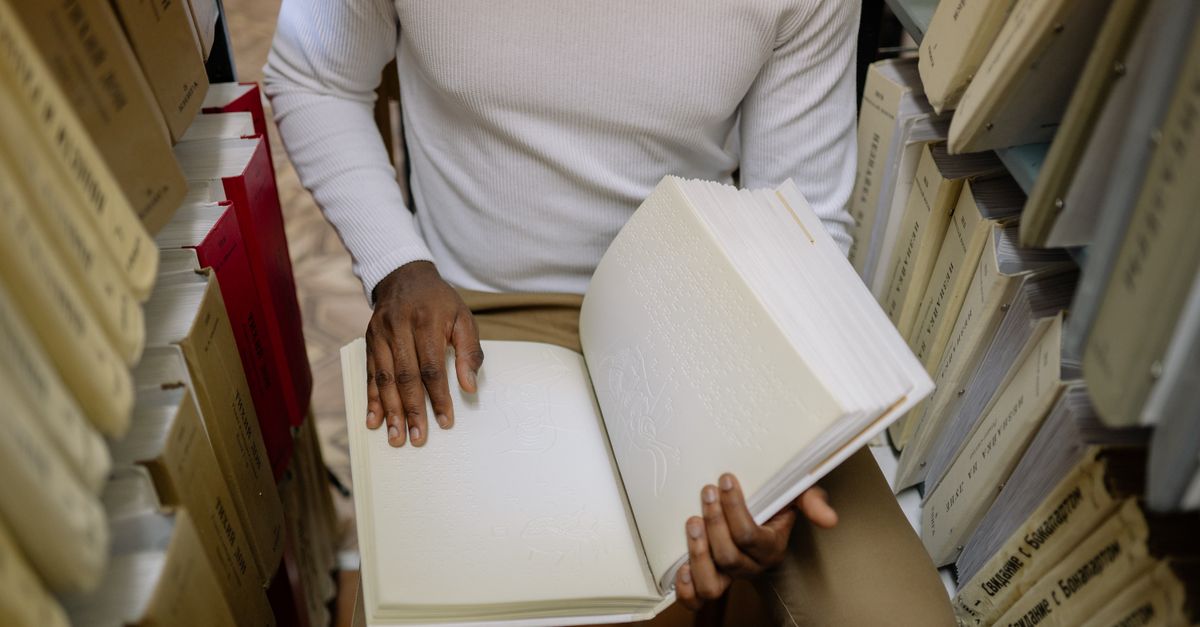
Strengthening Media and Information Literacy in Africa — Photo by Markus Winkler on Pexels

media and info literacy

Community Radio vs Online Fact‑Checking: Which Enhances Media Literacy and Information Literacy for Rural Tanzanian Seniors?

Community radio is more effective than online fact-checking for enhancing media and information literacy among rural Tanzanian seniors. The medium reaches listeners where internet access is limited, allowing hands-on learning that fits daily routines. In villages where elders rely on word of mouth, radio can embed verification steps into familiar

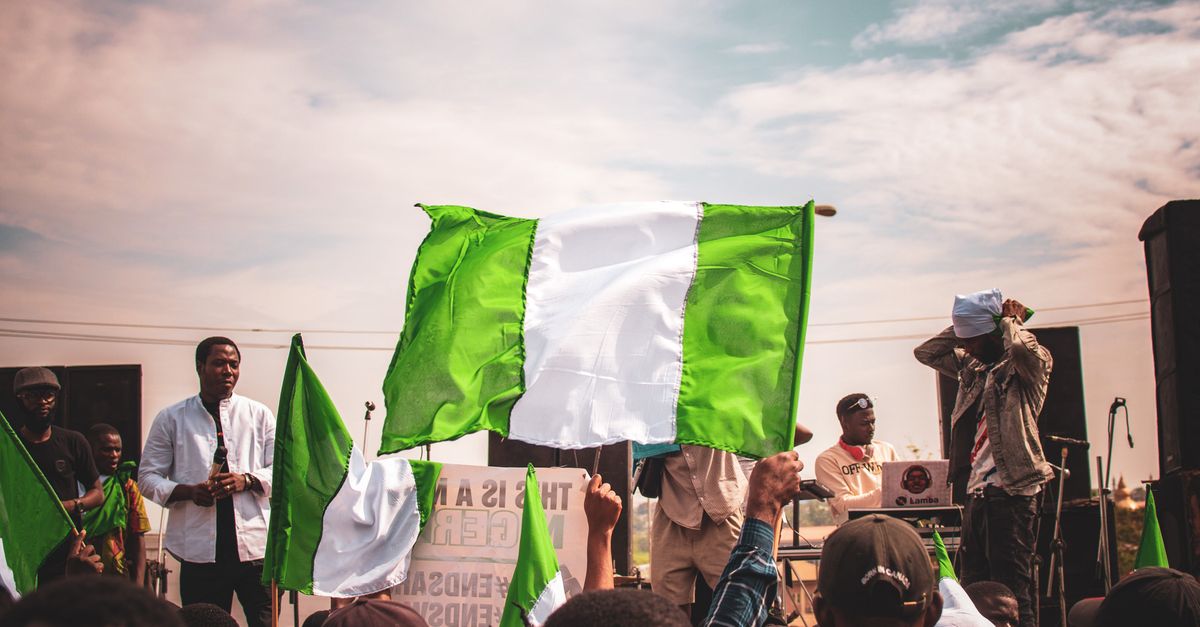
President Tinubu unveils UNESCO’s first global media, information literacy institute — Photo by Abdulkadir muhammad sani on P

media and info literacy

From Classroom to Global Stage: Media Literacy and Information Literacy vs Conventional Journalism Programs

Only 29% of African youths meet basic media literacy thresholds, highlighting the gap that media and information literacy programs aim to close. Compared with conventional journalism courses, these programs blend ethics, digital tools, and global accreditation to launch graduates onto international newsrooms. media literacy and information literacy: Crafting a Global

Tinubu Inaugurates World’s First UNESCO Media Literacy Institute — Photo by Abdulrahman Abubakar on Pexels

media and info literacy

8 Ways the UNESCO Media Literacy Institute Drives Media Literacy and Information Literacy for Students

Media literacy and robust fact-checking empower readers to spot false claims before they spread. By teaching critical evaluation skills and providing reliable verification tools, we can reduce the reach of misinformation and protect democratic discourse. (Wikipedia) Stat-led hook: The term “fake news” first appeared in the 1890s when sensational newspaper